Historic Little Horwood
A walk through Little Horwood really feels like stepping into the footsteps of generations past. With its deep-rooted history, the village and surrounding area is quite rightly recognised as an area of considerable archaeological and historical importance.
Not only have Bronze Age worked flints been found in the area, along with lots of Roman and medieval pottery sherds, but in 1849 a nationally important hoard of coins dated to around 40BCE were found with more from around 60-5BCE unearthed in 2006. Sherds of Roman pottery, roof tiles and pipes dating to the 2nd century have also been discovered in an area east of The Spinney with archaeologists suggesting that there was a large Roman farmstead with outbuildings spreading into Wood End.
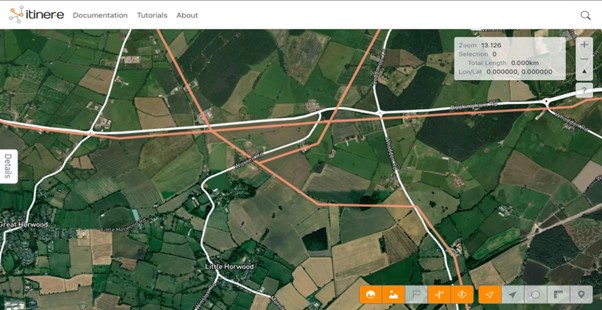
It’s hardly surprising that the village and surrounding area show strong evidence of Roman activity given its close proximity to the Roman roads of the A421, Watling Street, the town and station of Magiovinium in Fenny Stratford, Lactodorum (Towcester) and Verulanium (St. Albans). The digital map of Roman roads published in 2025 on itiner-e shows Little Horwood to be near the junction of numerous Roman roads, shown in red below.
The Church
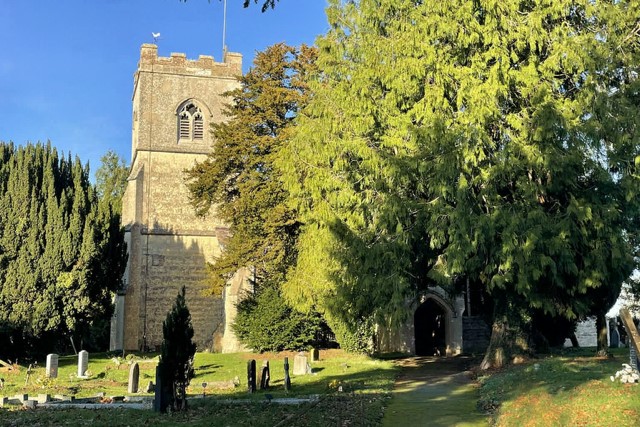
Uncover the story of St Nicholas’ Church — its 13th‑century origins, rare medieval wall paintings and restored bells.
more …
Water Mill
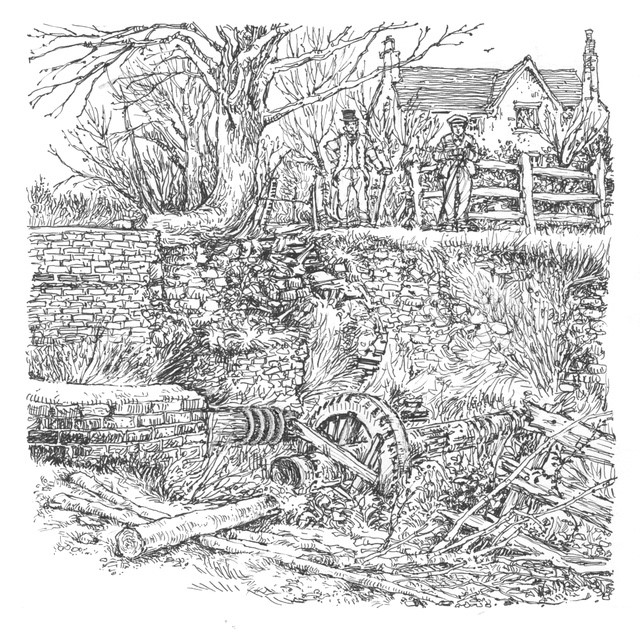
Learn about the remains of a water mill at the southwest corner of the ancient moat in The Spinney.
more …
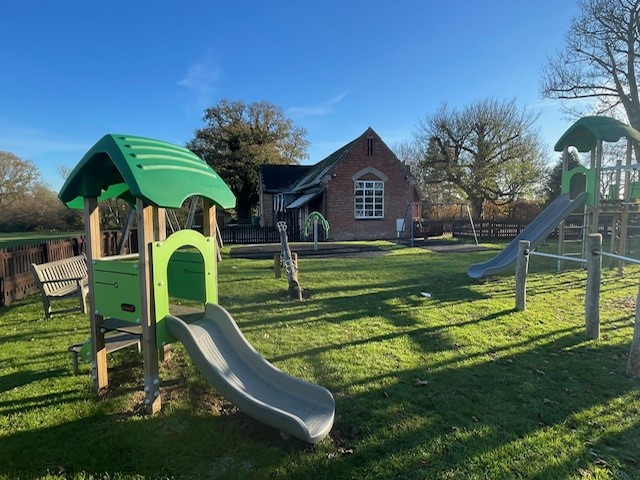
Old School & Recreation Ground
.Read about the rich history of the Old School and how the Rec is now used by the community.
more …
First recorded mentions of ‘the wood that is called Horwudu’ feature in the 795 Anglo Saxon Chronicles, the annals compiled on the orders of King Alfred, where it states Horwudu was granted by King Offa to St Albans Abbey. It was later said that he also gave the manor of Little Horwood. However, it was not mentioned in the Domesday Book of 1086 possibly due to it being included in the Manor of Winslow.
The name is self explanatory – with “hor” meaning dirty or muddy – so meaning muddy wood. A hamlet of Shucklow was mentioned in a 10th century charter and it is believed to contain a pre-Saxon barrow as “Shucklow” derives from Saxon for “evil goblin’s barrow”. The Saxon and medieval hamlets of Fenntunn/ Fenton and Nod respectively also existed in the locality, but are now lost to history.
In 13th century documents, there is mention of Horewude and Herewode, in the 14th century it became Horewode and by the 17th century Horwood Parva.
Little Horwood also bordered onto Whaddon Chase, the 22,000 acre private medieval hunting forest where in 1568 Elizabeth I is said to have hunted. Apparently she was “greatly gratified with the sports of the chase in such a magnificent amphitheatre of wooded scenery”. Wood End is recorded on maps as early as 1599 and is shown as being a major ride into Whaddon Chase. So the now sleepy lane would have seen nobles and aristocracy riding through it in the 16th and 17th centuries looking forward to a day’s hunting.
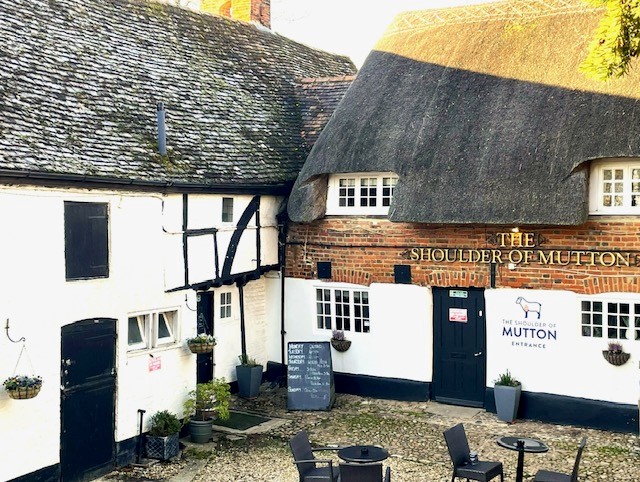
The Shoulder of Mutton Pub
Visit the village’s 15th‑century thatched pub, full of character and characters who’ve gathered there for centuries.
more …
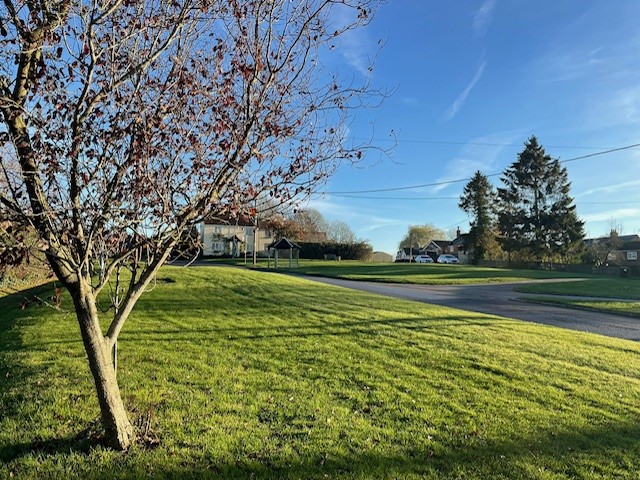
The Green
Discover The Green – dotted with historic buildings including The Old Sweet Shop and The Old Crown.
more …
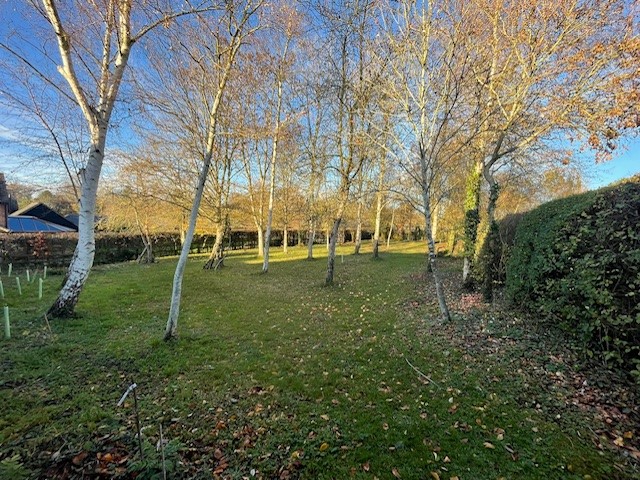
Memorial Hall & Garden of Peace
Learn how the village honoured service personnel through the building of the Memorial Hall in 1928 and Garden of Peace in 1995.
more …
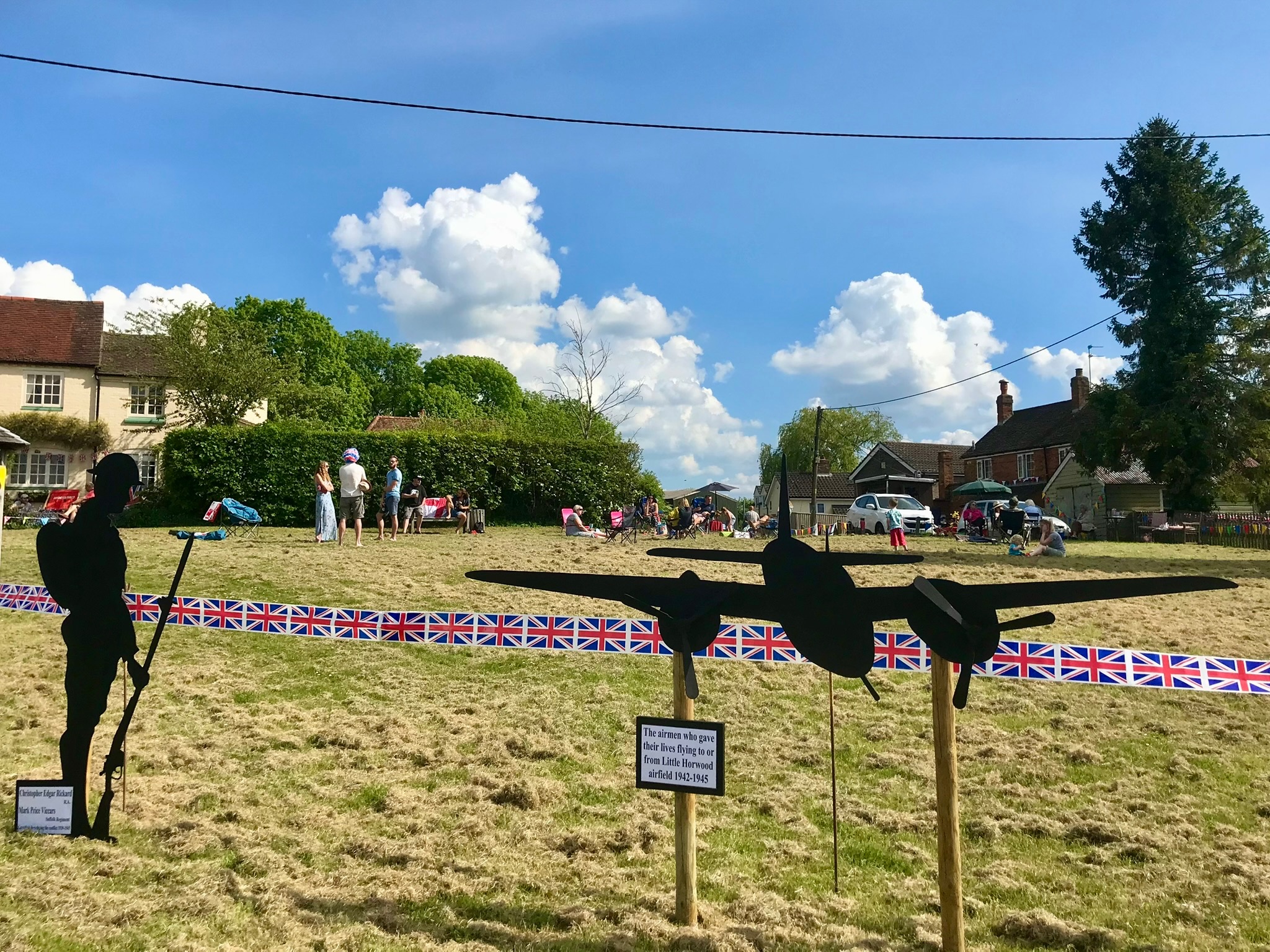
Little Horwood during WWII
Uncover Little Horwood’s extraordinary wartime history – a quiet village full of secret operations and bustling activity.
more …
It was Elizabeth I who in 1599 took Horwood Parva from the Abbey of St Albans and granted it to Sir John Fortescue of Salden. His son Francis then sold it in 1619 to Sir George Villiers who would become Duke of Buckingham. His son George, the profligate Duke of Buckingham, went on to mortgage it with his other estates and when these were sold by the mortgagees, the Horwood estate was purchased by William Selby Lowndes. The Lowndes family would continue their role as Lords of the Manor for generations.
Little Horwood’s royal connection continues as Horwood House, set about a mile outside the village, was in Victorian times home to a famously fine herd of Alderney dairy cows. Their milk was sent daily on the railway from Swanbourne station to Buckingham Palace for the consumption of Queen Victoria’s household.
More recently, Little Horwood was an area of significant activity during the Second World War. The Manor was requisitioned by the Army and a local amateur historian claims it was built in record time in 1938 as a back up for nearby Bletchley Park. Manor Farm’s grounds housed an army camp, sheds at Shucklow Hill produced radio equipment for Special Operations Executive agents in occupied France and the aerodrome on the Winslow Road housed RAF Little Horwood.
Little Horwood continues to have a thriving village community with lots of social events including the famous Boxing Day duck race, Carols on the Green, Camp Night and the Village race. The carefully managed areas of green space and woodland will also provide beautiful country walks for generations to come.
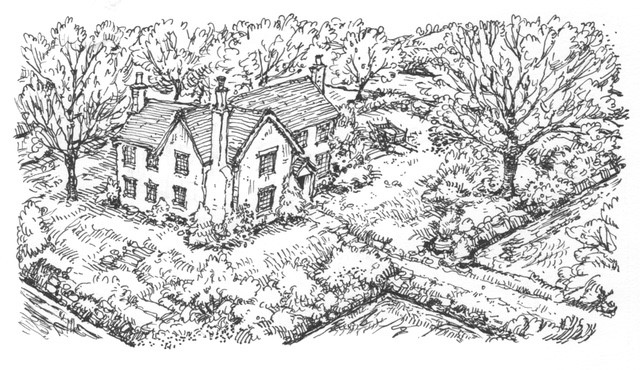
Medieval Moated Manor
Discover the hidden history of The Spinney — a peaceful woodland and moated island that once held a medieval manor house and later a farmhouse known as Moat Farm.
more …
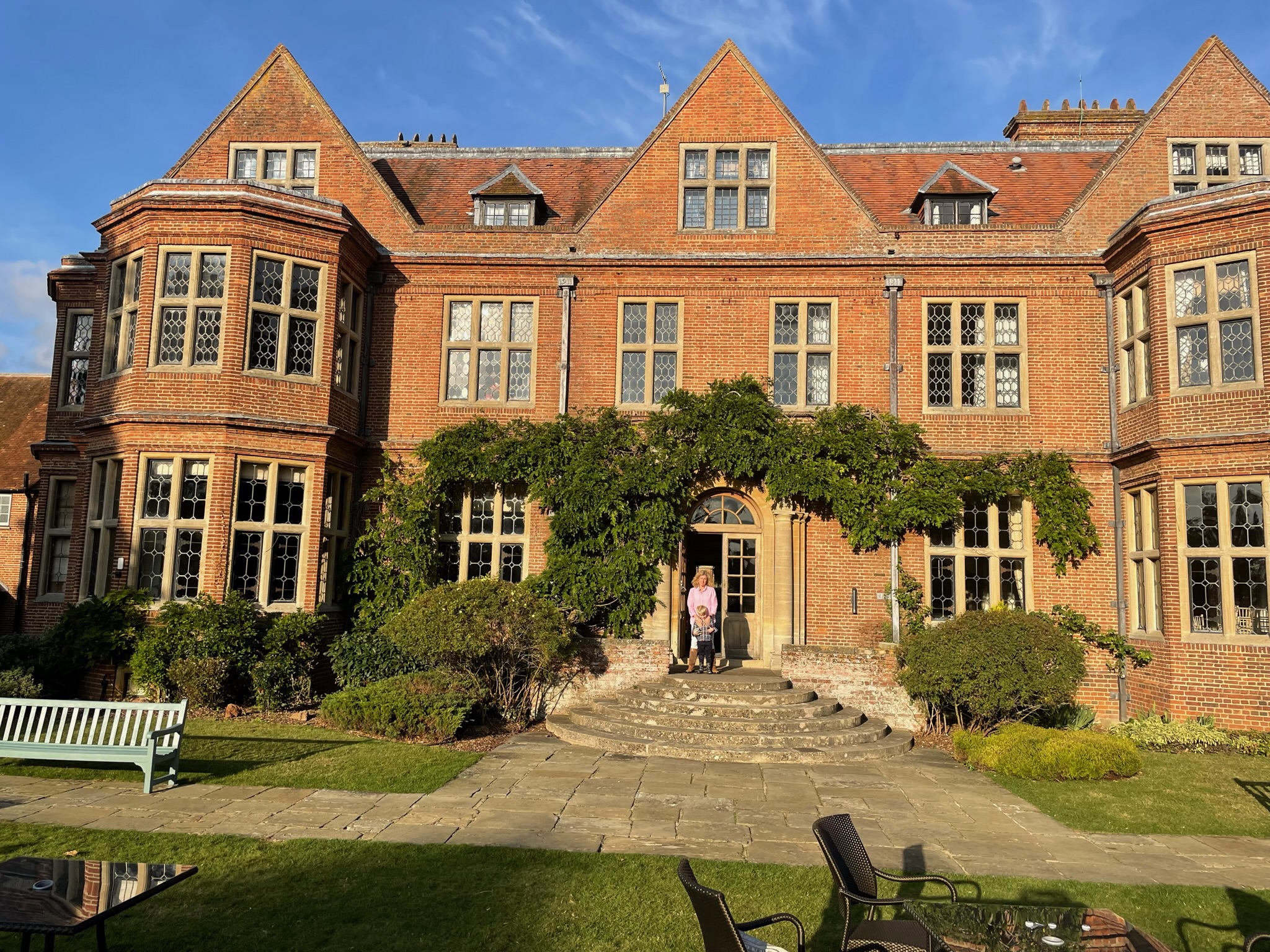
Horwood House
Despite only being built in 1911, learn about the fascinating history of Horwood House and The Denny’s who lived there.
more …